Blog
Notable Places to Explore Near Mesa, Arizona, Maricopa County
Begin a day of discovery in Mesa, Arizona, where desert landscapes, cultural venues, and river-carved oases create an eclectic itinerary within Maricopa County.
Downtown Mesa’s Cultural Corridor
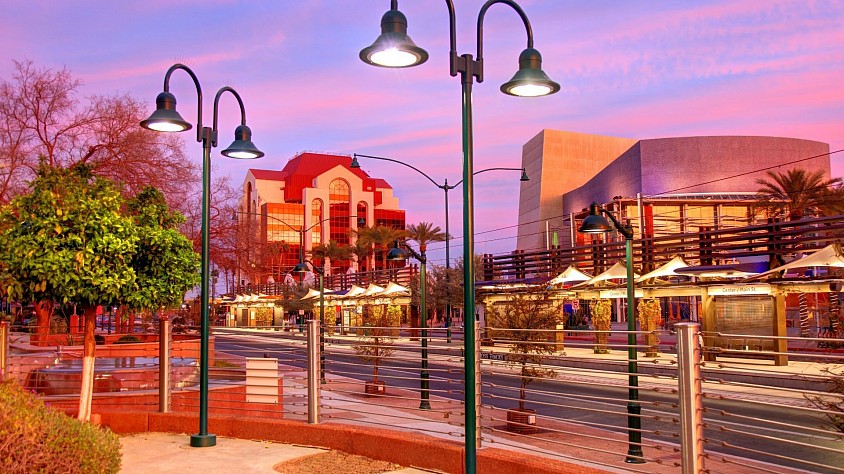
Start along Main Street, where a walkable arts corridor unfurls with striking murals, polished galleries, and live performance spaces that feel both intimate and ambitious. The Mesa Arts Center anchors the district, drawing visitors with cutting-edge theater, exhibitions, and outdoor sculpture that glints under the desert sun. Just around the corner, the Arizona Museum of Natural History reveals regional geology and paleontology through immersive exhibits that energize curious minds. Family groups gravitate to the i.d.e.a. Museum for hands-on creativity, while street-level cafes and bakeries make it easy to linger. Side alleys hum with music on weekend evenings, and the light rail adds convenience for those drifting between venues. The interplay of high art and approachable experiences gives this corridor a dynamic rhythm—polished yet welcoming.
Mesa Grande Cultural Park and Ancient Echoes
To the northwest, Mesa Grande Cultural Park preserves earthen structures that speak to a sophisticated ancestral community and its mastery of the desert. The site invites quiet reflection as you study the contours of the platform mound and consider the ingenuity required to shape waterways and agriculture in such an arid place. Interpretive paths provide context without intruding on the solemnity of the landscape. This is a place to recalibrate your pace: a slow walk, a closer look, and a deeper appreciation for the layers of human history beneath modern streets. The surrounding neighborhood, dotted with shade trees and low-slung homes, feels calm, making this visit an unhurried counterpoint to the bustle of downtown.
Usery Mountain Regional Park and the Hawes Trail System
East of the city core, Usery Mountain Regional Park presents quintessential Sonoran Desert scenery—saguaro sentinels, fragrant creosote, and serrated ridgelines that ignite at sunrise. Trails range from meandering washes to steeper scrambles, so both casual walkers and seasoned hikers find their cadence. Nearby, the Hawes Trail System has become a favorite for mountain bikers and trail runners seeking varied terrain and panoramic viewpoints over Red Mountain and the Salt River corridor. Dawn starts reward with cooler air and wildlife sightings: quail scurrying between cholla, a hawk tilting on a thermal, lizards basking on warm rock. The desert here is not empty; it is articulate, if you listen closely with your feet and eyes.
Salt River Reaches and Saguaro Lake Vistas
The Salt River threads through the northeastern fringe, shaping riparian pockets where mesquite and cottonwood cast refreshing shade. Put-in points near Granite Reef and Pebble Beach draw paddlers and photographers eager for mirrored water and rugged canyon walls. Farther up, Saguaro Lake spreads like a sapphire ribbon between cliffs, ideal for a relaxed shoreline picnic or a scenic cruise. Anglers, birders, and families scatter along coves and day-use areas, each finding a slice of quiet. As the sun arcs higher, the light shifts from honeyed to crystalline, revealing stratified rock that seems etched by time. Keep an eye out for wild horses browsing the banks—an enduring symbol of the river’s untamed character.
Riverview Park and the Energy of Game Day
West Mesa’s Riverview Park provides a cool equilibrium of recreation and respite. Shady paths loop around a placid lake where ducks dimple the surface, while broad lawns host impromptu picnics and laid-back gatherings. The adjacent training complex infuses the area with a festive buzz during the season, as fans stream in wearing team colors and street vendors fill the air with savory aromas. Families drift between the playgrounds, splash features, and fishing spots. Later in the day, the setting sun paints long stripes over the water, and the park takes on a golden hush that invites an unhurried stroll.
Lost Dutchman State Park and the Superstition Mystique
A short drive east leads to the Superstition Mountains, their jagged silhouette commanding the horizon like a stone citadel. Lost Dutchman State Park serves as a gateway to tales of hidden lodes and elusive trails. Hikes here range from gentle loops across desert flats to steeper paths that nip at the base of basalt cliffs. Spring wildflowers can ignite the washes with fleeting color, while cooler months unveil long, lucid views to distant mesas. Photographers chase the alpenglow that kisses the crags at dusk. The day’s rewards are simple yet profound: coarse-grained rock beneath your palm, a hush interrupted only by wind, and the sense that a legend might be waiting just beyond the next bend.
Riparian Preserve at Water Ranch and Neighboring Farmstead Traditions
South of Mesa, the Riparian Preserve at Water Ranch in Gilbert offers a latticework of ponds and trails that draw migratory birds and patient observers. Observation blinds and quiet overlooks help protect sensitive habitats while giving visitors front-row access to nature’s subtleties. Pair this visit with a stop at an East Valley farmstead known for olive groves or seasonal events, where the fragrance of crushed fruit and warm bread mingle. The juxtaposition is memorable: a meditative morning among reeds and herons, followed by a rustic afternoon shaded by trees and long tables. It’s a reminder that the metropolitan desert still shelters pockets of agrarian life.
Papago Park, Desert Botanical Garden, and Tempe Town Lake
To the west, Papago Park’s mauve buttes rise like giant sandcastles, riddled with wind-formed openings and textured faces. Trails meander to viewpoints that seem close enough to touch the skyline. Adjacent grounds showcase meticulously curated arid-land flora at the Desert Botanical Garden, where cacti and succulents are presented with curatorial flair. A bit farther, Tempe Town Lake sets a lively urban scene—paddlers glide by, joggers pace the esplanade, and sunset paints the bridges in saturated color. It’s an easy half-day triad: sculpted geology, living collections of desert plants, and an energized waterfront—each a different articulation of the Valley’s identity.
Practical Tips and Thoughtful Pick-List
Map out a route that balances urban culture with open-space calm. Consider early starts for desert hikes, then transition to museums and shaded parks by midday. Evenings reward with performance art, casual patios, and golden-hour photography along lakes and canals.
Bring water, a brimmed hat, and lightweight layers for variable desert conditions.
Choose trailheads with amenities if traveling with families or first-time hikers.
Plan museum and garden visits as midday interludes between outdoor excursions.
Keep an eye on park advisories and seasonal events that can change crowd patterns.
Opt for weekday mornings when seeking quieter overlooks and less-traveled paths.
Pair cultural stops with nearby cafes or markets to sustain energy and support local flavor.
End the day at a waterfront or butte-top overlook for cooling breezes and color-drenched skies.
A Cohesive Day in the East Valley
Linking these places into thoughtful circuits brings cohesion to a day in and around Mesa. Begin with a gallery walk downtown, then drive to Usery for a desert loop before lunch beneath cottonwoods along the Salt River. Spend an afternoon at Saguaro Lake, catching shade at an overlook, and return for an evening performance at the arts center. Alternatively, set a family-forward rhythm: morning discovery at the i.d.e.a. Museum, mid-day play at Riverview Park, and sunset scanning for wildlife at the Riparian Preserve. For history and spectacle, combine Falcon Field’s museum with Goldfield’s wooden boardwalks and a twilight stop at Canyon Lake. Each pairing balances texture—urban polish with rugged terrain, curated exhibits with untamed vistas—so the day moves with variety and intention.
Trails, Culture, and Hidden Corners in Mesa, Arizona, United States
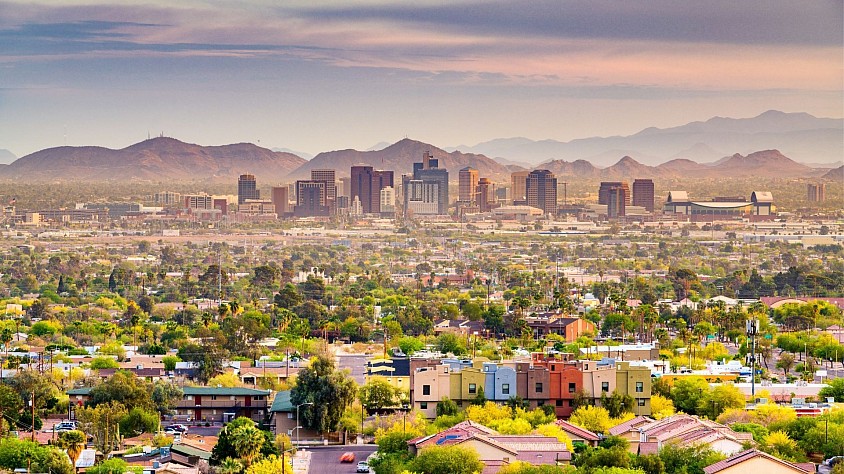
Set within the Sonoran Desert and framed by rugged peaks, Mesa invites discovery through arts districts, river canyons, and storied desert trails that reward wandering eyes and unhurried steps.
Downtown Mesa’s Creative Spine and Heritage Corners
Start on Main Street, where murals shimmer in the Arizona light and galleries spill color into the sidewalks. The Mesa Arts Center anchors the district with striking contemporary architecture, a hub where performance, craft, and community intersect. Nearby, the Arizona Museum of Natural History layers paleontological intrigue with regional narratives, while the i.d.e.a. Museum sparks hands-on creativity for young explorers. Stroll at a measured pace; the streetscape reveals sculptural installations, vintage signage, and small cafés that turn a casual stop into a full afternoon. Pioneer Park, just off the main corridor, offers shade under stately trees and an open-air lawn ideal for picnics and people-watching. History surfaces again at the Mesa Grande Cultural Park, where ancient earthen structures hint at ingenuity and ritual, grounding the modern city in an enduring desert lineage.
Desert Vistas: Usery Mountain Regional Park and the Salt River Corridors
Move northeast to Usery Mountain Regional Park, where the trails weave through forests of saguaro and cholla. Paths climb gradual ridgelines, delivering views across the basin and toward the distant Superstition Mountains. The desert here is quiet but never still—Gila woodpeckers chatter from cactus spines, and the light changes hue by the minute. Just below, the Salt River winds through tamarisk thickets and mesquite bosques. Launch points and riverfront pullouts provide access to cool water, wildlife viewing, and cottonwood shade. At dawn, the water’s surface can look like hammered copper under a rose sky; by late afternoon it glows green and glassy. The Granite Reef Recreation Area frames this interplay of river and stone, an easy spot to linger and watch herons stalk in the shallows.
Lakes on the Edge: Saguaro Lake and Canyon Lake
Head deeper into canyon country where steep walls hem in blue reservoirs. Saguaro Lake stretches like a ribbon between crags, with coves that feel secluded even on lively weekends. Picnic spots perch above the shoreline, and short trails lead to overlooks where desert varnish streaks the cliffs. A bit farther, Canyon Lake reveals tighter turns and dramatic rock amphitheaters. Boat wakes curl against sandstone shelves, and the breeze carries the scent of creosote after a passing sprinkle. Scenic pull-offs add pauses to the journey, ideal for photographs or a quiet sketch. The surrounding Tonto foothills—rugged, sun-cracked, and exuberant after winter rains—reinforce the region’s restless geology.
Family-Friendly Curiosity: Parks, Play, and Interactive Museums
Mesa excels at family outings that balance wonder with comfort. The i.d.e.a. Museum, with its rotating creative studios, encourages tactile learning and imaginative leaps. Across town, Riverview Park pairs open lawns with a striking play area where nets, misters, and shade structures make warm days workable. Pioneer Park’s playground weaves in natural textures and desert motifs, turning climbing and sliding into a small-scale expedition. For aviation enthusiasts of all ages, the Commemorative Air Force Airbase Arizona Museum near Falcon Field places historic aircraft in context, blending technology with personal stories from the skies. Even routine afternoons feel special at Red Mountain Park, where lakeside paths curve beneath broad skies and waterfowl trail gentle wakes along the edges.
Aviation Heritage: Falcon Field and Living History
Falcon Field Airport anchors a pocket of Mesa that hums with aviation lore. The adjacent museum exhibits restored aircraft, artifacts, and narratives that trace aeronautical innovation in the desert. Planes taxi across sunlit tarmac while cotton-ball clouds drift above the hangars. In this corner of the city, propellers and pylons coexist with neighborhood streets and desert plantings, creating a juxtaposition unique to Mesa. Watch a takeoff from a public vantage and feel the reverberation ripple through the air—a fleeting moment that connects past feats with present-day passion for flight. Nearby parks and cafés make it easy to pair a museum morning with an easy lunch and a stroll.
Quirky Icons and Local Flavor
Mesa’s personality thrives on its quirks. Organ Stop’s mighty theater instrument delights with bravura sound, transforming a casual evening into a spirited gathering. The Mesa Market Place Swap Meet offers a labyrinth of booths where artisans, tinkerers, and treasure hunters converge. Vintage oddities, handcrafted goods, and regional snacks create an unpredictable circuit—turn a corner and find something delightful you didn’t know you needed. Goldfield Ghost Town, near the Superstition foothills, layers Old West facades with mine-shaft tales and desert panoramas. It is unabashedly theatrical, yet the surrounding mountains lend it a gravitas that outlives novelty. These stops, different in tone yet similar in charm, underline the city’s appetite for spectacle and serendipity.
Neighboring Greenways and Desert Showpieces
Beyond Mesa’s borders, a constellation of nearby spaces expands the adventure without sacrificing convenience:
Papago Park, with its honeycombed red buttes and easy trails near reflecting water.
Desert Botanical Garden, where curated paths reveal wild beauty through seasonal blooms and textured cacti.
Phoenix Zoo’s leafy corridors, offering shaded walks and glimpses of distant habitats interpreted for desert dwellers.
Riparian Preserve at Water Ranch in Gilbert, a watery mosaic of ponds and paths that attracts birdlife by the score.
Sloan Park’s expansive grounds and neighboring lawns, comfortable for casual strolls on bright afternoons.
These close-knit destinations pair well with a Mesa base, letting a single day span sandstone outcrops, floral exhibits, and late-day picnics under broad desert skies.
Trailheads, Storylines, and the Superstition Gateway
Follow the sun east to the Superstition gateway, where trails negotiate volcanic slopes and ocotillo thickets. Lost Dutchman State Park serves as a popular portal, with paths that fan into foothills energized by monsoon-born blooms. The light here feels theatrical—morning shadows carve deep relief into crags, while dusk warms the formations to ember tones. Nearby, the Park of the Canals preserves remnants of ancient waterworks, a subtle yet profound reminder that human ingenuity has thrived along these arid corridors for centuries. Even short hikes yield compelling micro-scenes: a lizard skittering across basalt, a hawk riding thermals, a solitary barrel cactus crowned in late-season color.
Practical Pairings and Day-Planning Ideas
Linking these places into thoughtful circuits brings cohesion to a day in and around Mesa. Begin with a gallery walk downtown, then drive to Usery for a desert loop before lunch beneath cottonwoods along the Salt River. Spend an afternoon at Saguaro Lake, catching shade at an overlook, and return for an evening performance at the arts center. Alternatively, set a family-forward rhythm: morning discovery at the i.d.e.a. Museum, mid-day play at Riverview Park, and sunset scanning for wildlife at the Riparian Preserve. For history and spectacle, combine Falcon Field’s museum with Goldfield’s wooden boardwalks and a twilight stop at Canyon Lake. Each pairing balances texture—urban polish with rugged terrain, curated exhibits with untamed vistas—so the day moves with variety and intention.
Why These Places Endure
Mesa’s environs fuse resilience with flourish. Water carves life into the desert at lakes and rivers, while stone holds memory in cliff faces and archaeological sites. Art districts translate that landscape into color and form. Parks deliver family ease without diluting the region’s wildness. Even the playful and the eccentric—the music-filled halls, the open-air markets—echo a frontier spirit that values resourcefulness and community. Return in a different season and the palette shifts: winter light turns crisp, spring paints hillsides with ephemeral greens, and late summer storms roll in with perfumed rain. Through every change, these places remain generous with perspective, offering new angles on familiar ground and unhurried spaces to savor the day.